

UAE leaders congratulate first American Pope Leo XIV
Historic election of 267th pontiff welcomed globally, including by US President Donald Trump
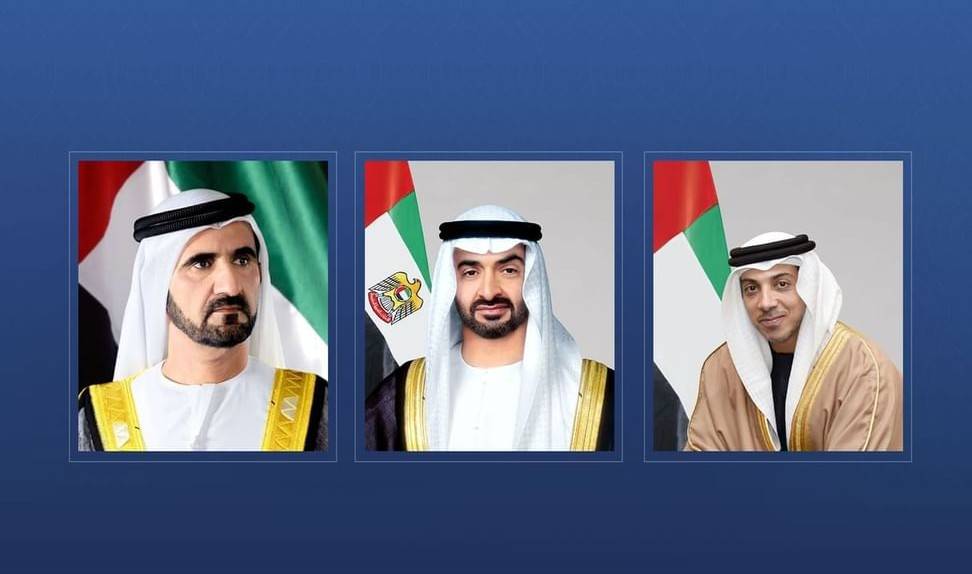
ABU DHABI: The United Arab Emirates' top leadership extended warm congratulations to Cardinal Robert Francis Prevost on his election as Pope Leo XIV, the first American to lead the Catholic Church.
President His Highness Sheikh Mohamed bin Zayed Al Nahyan conveyed his heartfelt wishes for the new pontiff’s success in promoting global harmony, dialogue, and peace.
I extend my sincere best wishes to His Holiness Pope Leo XIV on his appointment as head of the Catholic Church and wish him success in continuing to promote mutual understanding, peace, and harmony throughout the world.
— محمد بن زايد (@MohamedBinZayed) May 8, 2025
In separate messages, His Highness Sheikh Mohammed bin Rashid Al Maktoum, Vice President, Prime Minister and Ruler of Dubai, and His Highness Sheikh Mansour bin Zayed Al Nahyan, Vice President, Deputy Prime Minister and Chairman of the Presidential Court, echoed similar sentiments of goodwill and support.
We extend our congratulations to His Holiness Pope Leo XIV on his election.
— HH Sheikh Mohammed (@HHShkMohd) May 8, 2025
We in the UAE deeply appreciate the Vatican’s role in promoting dialogue and peace among nations and faiths, and we look forward to working together with His Holiness to advance a global message of…
New Pope elected
Thousands of faithful gathered in St Peter’s Square erupted into chants of “Viva il Papa” as white smoke billowed from the Sistine Chapel chimney at 6:09PM local time. Just an hour and a half later, the world met the 267th pope: Leo XIV.
His election came on the second day of the conclave, after three rounds of voting among 133 cardinal-electors under the age of 80. The rapid consensus was unexpected in what was the most international conclave in Vatican history, with cardinals from over 70 nations participating.
In his first remarks from the balcony of St Peter’s Basilica, Leo XIV called for “a disarmed peace and a disarming peace,” echoing the Easter message of unity and blessing previously delivered by his predecessor, Pope Francis. The 69-year-old concluded his speech urging people to walk “hand in hand with God” towards a more peaceful future.
Who is Pope Leo XIV?
Born in Chicago in 1955 to Spanish and Franco-Italian parents, Robert Francis Prevost was ordained in 1982 and soon after moved to Peru. He worked for over two decades in Trujillo, north-western Peru, where he served as a parish priest and seminary educator. Fluent in Spanish, he was known for his grassroots connection with marginalised communities.
In 2014, Pope Francis appointed him Bishop of Chiclayo. He was later called to Rome, becoming the prefect of the Dicastery for Bishops in 2023, overseeing appointments worldwide. Just months later, he was made cardinal.
Leo XIV holds dual American and Peruvian citizenship. His dual identity – combining American roots with Latin American pastoral experience – appeals to both reform-minded and traditional elements within the Church.
The name he has chosen carries historical significance. Pope Leo XIII, who led the Church from 1878 to 1903, authored the revolutionary encyclical Rerum Novarum, which laid the foundation for modern Catholic social teaching on workers' rights and economic justice. Vatican spokesperson Matteo Bruni said the name symbolises a commitment to social responsibility and continuity with past reforms.
Vision and priorities
In line with Pope Francis’s legacy, Leo XIV is expected to uphold progressive positions on migration, the environment, and outreach to the poor. He has previously endorsed Vatican initiatives to reduce its carbon footprint, including installing solar panels and switching to electric vehicles.
Leo XIV has also supported reforms such as the inclusion of women in the Vatican’s Dicastery for Bishops. In 2024, he said their contributions were “significant to the process of discernment.”
On sensitive topics like LGBT blessings, he has supported Pope Francis’s decision allowing same-sex couples to receive non-liturgical blessings, though he has emphasised local bishops’ discretion in applying the guidance.
Despite global applause, challenges lie ahead. Pope Francis’s 12-year tenure was marked by internal polarisation between progressives and conservatives. Experts suggest Leo XIV will attempt to bridge divides while navigating expectations for continued reform and doctrinal clarity.